
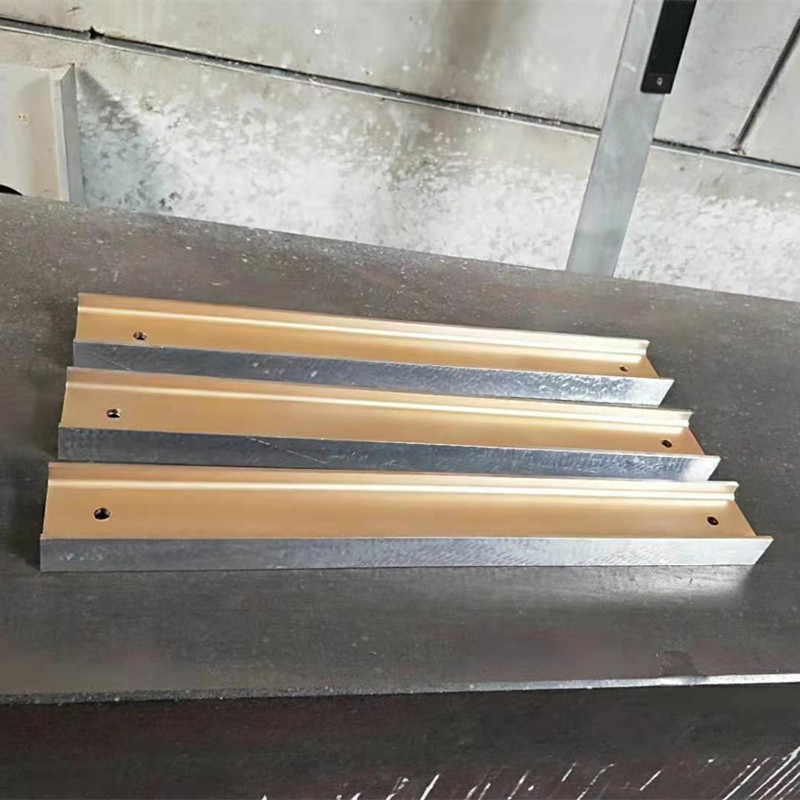
glass mirror edge trim
Rebar stands for concrete reinforcement bar, also known as reinforcing steel or reinforcement steel. It plays a crucial role in the construction industry, providing strength and stability to concrete structures. The use of rebar in concrete construction has been essential for centuries, dating back to ancient civilizations such as the Romans who built impressive structures like the Pantheon with the help of reinforced concrete. Rebar is typically made of steel and comes in various shapes and sizes depending on the specific requirements of the construction project. It is designed to withstand tension forces in concrete, preventing cracks and ensuring the durability of the structure. Without rebar, concrete would be prone to cracking and collapsing under pressure, making it unsuitable for many construction applications. In a typical construction project, rebar is placed within the concrete formwork before the concrete is poured. The rebar grid is carefully designed and positioned to provide the necessary structural support for the concrete. Once the concrete is cured, the rebar becomes embedded within the concrete, forming a strong bond that enhances the overall strength and integrity of the structure. The use of rebar allows for the construction of larger and more complex structures that would not be possible with plain concrete alone. Skyscrapers, bridges, dams, and highways are just a few examples of the types of structures that rely on rebar for stability and longevity. The versatility of rebar makes it an essential component in a wide range of construction projects, from residential buildings to industrial facilities The versatility of rebar makes it an essential component in a wide range of construction projects, from residential buildings to industrial facilities The versatility of rebar makes it an essential component in a wide range of construction projects, from residential buildings to industrial facilities The versatility of rebar makes it an essential component in a wide range of construction projects, from residential buildings to industrial facilities rebar stands for concrete . In addition to providing structural support, rebar also helps to minimize the environmental impact of construction projects. By reinforcing concrete with steel, builders can reduce the amount of material needed for a given structure, resulting in less waste and a more sustainable construction process. Rebar can also be recycled and reused, further reducing the carbon footprint of construction projects. As technology advances, new types of rebar are being developed to meet the evolving needs of the construction industry. Fiberglass rebar, for example, offers a lightweight and corrosion-resistant alternative to traditional steel rebar. Carbon fiber rebar is another innovative option that provides high strength and durability while also being lightweight and non-corrosive. In conclusion, rebar stands for concrete reinforcement bar and plays a critical role in the construction industry. By providing strength, stability, and durability to concrete structures, rebar enables the construction of safe and reliable buildings and infrastructure. As construction practices continue to evolve, rebar will remain an essential component in the development of sustainable and resilient structures for the future.
about
glass mirror edge trim
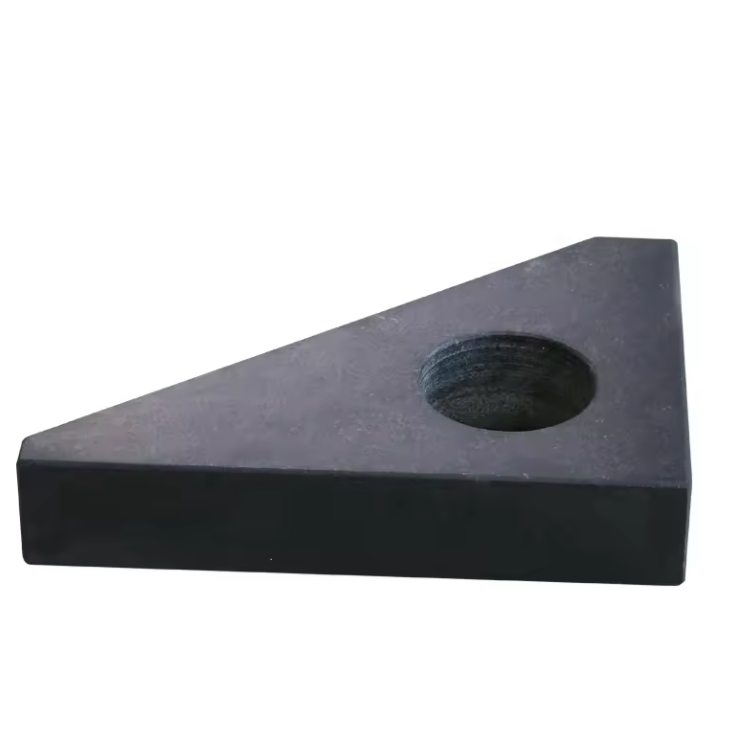
Taper gauge, eller konusmåler, er et vigtigt værktøj inden for flere industrier, især inden for byggeriet og metalbearbejdning. En taper gauge er designet til præcist at måle størrelsen og dimensionerne på koniske objekt. Et almindeligt eksempel er taper gauge 1 15mm, som refererer til en specifik type måleinstrument med en konisk form, der har en bredde på 15 mm. Taper gauge, eller konusmåler, er et vigtigt værktøj inden for flere industrier, især inden for byggeriet og metalbearbejdning. En taper gauge er designet til præcist at måle størrelsen og dimensionerne på koniske objekt . Et almindeligt eksempel er taper gauge 1 15mm, som refererer til en specifik type måleinstrument med en konisk form, der har en bredde på 15 mm. Taper gauge 1 15mm har den fordel, at den er let at bruge og leverer hurtige resultater. Målene på 1 15mm indikerer, at den har en konisk form, der gradvist strækker sig ud, hvilket gør det muligt for brugeren at måle et udvalg af dimensioner i et enkelt værktøj. Dette er særligt nyttigt i situationer, hvor pladsen er trang, eller hvor andre målemetoder måske ikke er praktiske. taper gauge 1 15mm Når man anvender en taper gauge, er det vigtigt at have en grundlæggende forståelse for, hvordan vægten og dimensionerne påvirker målingerne. Forkerte målinger kan føre til dyre fejl i konstruktion eller produktion. Derfor skal man altid sikre sig, at taper gaugen anvendes korrekt og aflæses nøjagtigt. Det anbefales også at vedligeholde værktøjet regelmæssigt ved at rengøre det og kontrollere for slid eller skader, som kan påvirke målingen. Foruden standard anvendelse i byggebranchen, kan taper gauges også bruges i kvalitetskontrol og certificering. De sikrer, at de komponenter, der anvendes i produktionen, har de rigtige mål og opløftningsmuligheder. Korrekt anvendte taper gauges kan hjælpe med at forbedre effektiviteten i produktionen og reducere omkostningerne ved fejl og omarbejde. I konklusion giver taper gauge 1 15mm et praktisk og effektivt middel til nøjagtig måling af koniske objekter. Dens alsidighed og lette anvendelse gør den til et uundgåeligt værktøj i mange industrier, hvor præcise målinger er en nødvendighed.
-

High quality industrial productsagement

High quality industrial products
View Details -

Meet the diverse needs of customers

Meet the diverse needs of customers
View Details -

Strict quality control

Strict quality control
View Details -

Top raw materials

Top raw materials
View Details -

Trusted supplier

Trusted supplier
View Details
Our application
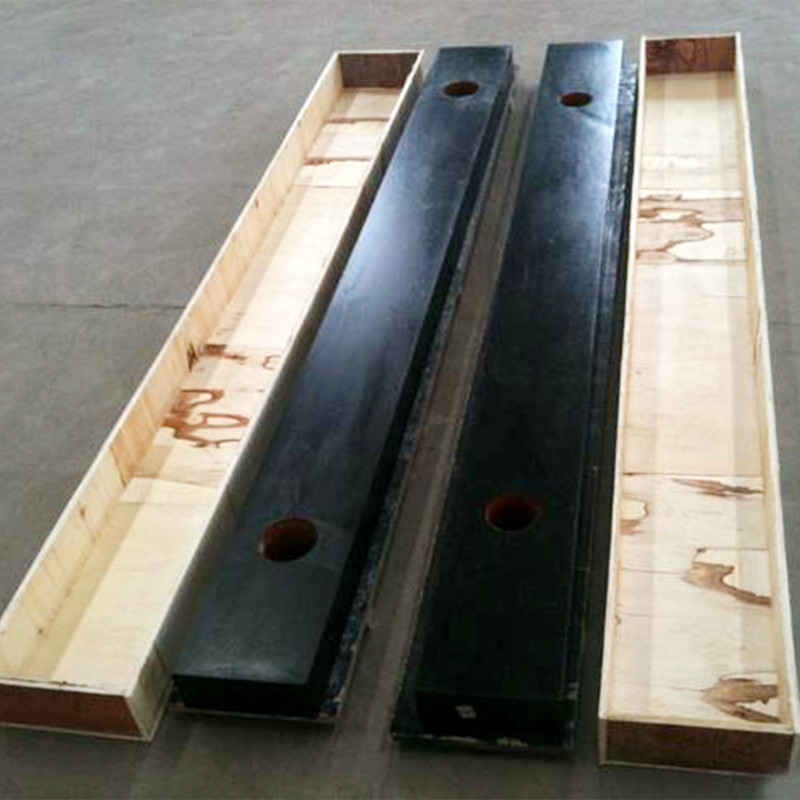
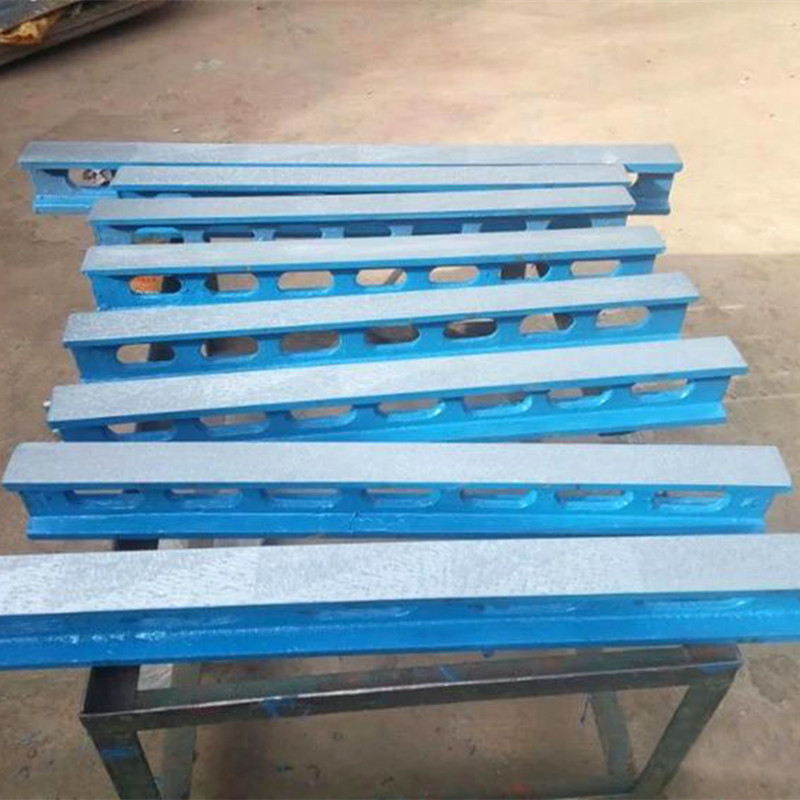

news and information
Various Types of Flow Control Valves and Their Applications in Different Industries
Different Types of Flow Control Valves Flow control valves are essential components in various fluid
Versatile Wood Connection Brackets for Enhanced Structural Support and Easy Assembly Solutions
The Versatility of Wood Connector Brackets in DIY Projects Wood connector brackets are essential com

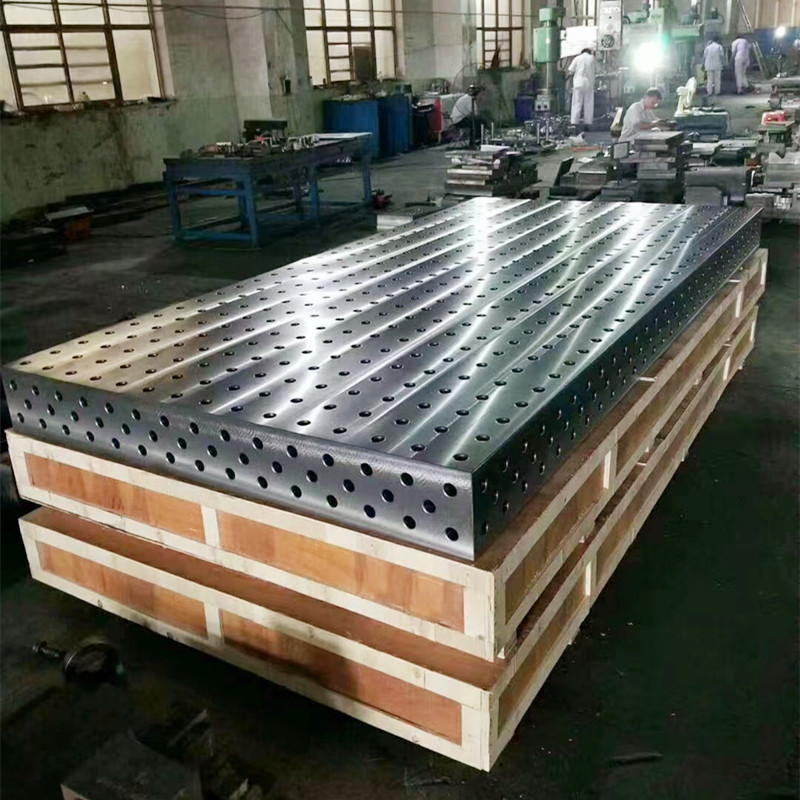
Versatile 3x6 Fabrication Table Designed for Welding Projects and Metalworking Applications
The Versatility and Importance of a 3x6 Welding Table Welding is a critical skill in various industr
 English